


Investing is a fundamental aspect of financial growth and stability. At its core, investment involves allocating money with the expectation of generating an income or profit. Whether you're investing in stocks, bonds, real estate, or other assets, understanding the basic principles is crucial. Investments can range from conservative to aggressive, depending on your financial goals and risk tolerance. It’s about making informed decisions that align with your long-term objectives.
Starting with a clear understanding of what investing entails, including the various types of assets available, can set a solid foundation. Knowledge about market dynamics, economic indicators, and financial instruments will empower you to make strategic decisions. This fundamental knowledge is the cornerstone of successful investing and financial growth.

Diversification is often hailed as the golden rule of investing. It involves spreading investments across various asset classes to reduce risk. By diversifying, you are not putting all your eggs in one basket. If one investment underperforms, others may perform well, balancing the overall risk and return.
Think of diversification as a way to build a resilient portfolio that can weather market volatility. It’s about mixing different types of investments, such as stocks, bonds, and real estate, to create a balanced and robust investment strategy. Diversification can help mitigate losses and optimize returns, making it a critical component of financial growth.

Understanding your risk tolerance is vital before diving into the world of investments. Risk tolerance refers to the degree of variability in investment returns that an individual is willing to withstand. It’s a personal assessment that depends on various factors, including age, financial situation, investment goals, and comfort level with market fluctuations.
To accurately assess your risk tolerance, consider your financial goals, the time horizon for your investments, and your emotional response to market volatility. A financial advisor can also help you determine an appropriate risk level for your portfolio. Balancing risk and reward is essential for crafting an investment strategy that meets your needs and goals.

Long-term investments are a powerful tool for building wealth. They involve holding assets for several years, allowing them to grow and compound over time. This strategy often results in higher returns compared to short-term investments, which are more susceptible to market volatility.
Investing for the long term requires patience and a clear vision of your financial goals. It's about looking beyond short-term market fluctuations and focusing on the bigger picture. Long-term investments can include stocks, bonds, real estate, and retirement accounts. By staying invested and letting your money grow, you can take advantage of compound interest, where the returns on your investments generate their own returns.
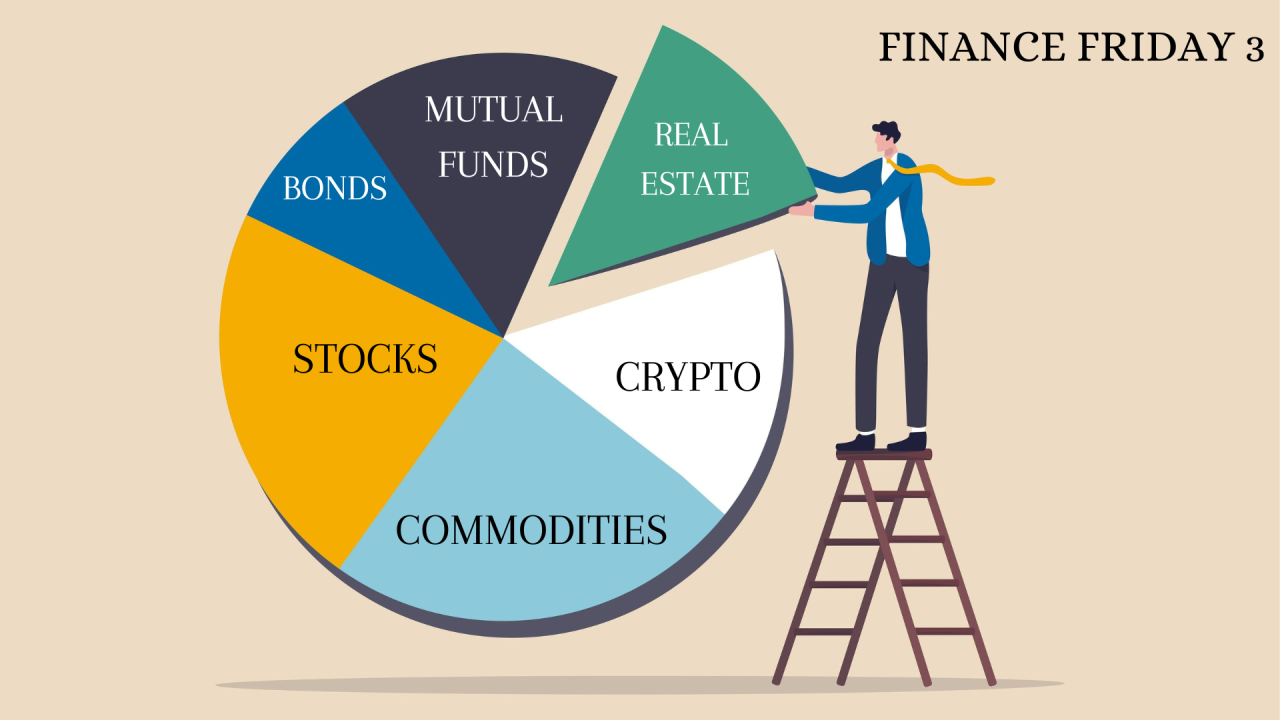
There are numerous types of investments, each with its own set of characteristics, risks, and returns. Stocks represent ownership in a company and offer high growth potential but come with higher risk. Bonds are loans to corporations or governments that pay interest over time and are generally considered safer than stocks.
Real estate is another popular investment option, offering steady income and potential appreciation. Mutual funds and ETFs (Exchange-Traded Funds) allow you to invest in a diversified portfolio of stocks and bonds with the ease of a single transaction. Additionally, there are alternative investments such as commodities, cryptocurrencies, and art, which can provide further diversification and growth potential.
Understanding the nuances of each investment type helps in building a well-rounded portfolio. It’s essential to match your investment choices with your financial goals, risk tolerance, and time horizon.

Investing doesn’t end with the initial selection of assets. Regular monitoring and adjusting your portfolio is crucial to ensure it remains aligned with your financial goals. Market conditions, economic changes, and personal circumstances can all impact your investments.
Periodic reviews of your portfolio help in identifying underperforming assets and reallocating investments to maintain the desired level of risk and return. Rebalancing involves adjusting the proportions of different assets in your portfolio to stay in line with your investment strategy. It’s about being proactive and responsive to changes to optimize financial growth.
Staying informed about market trends and being open to making adjustments ensures your investment strategy evolves with time. This ongoing process is key to sustaining financial growth and achieving long-term success.
 Jane Smith


Aliqu justo et labore at eirmod justo sea erat diam dolor diam vero kasd