

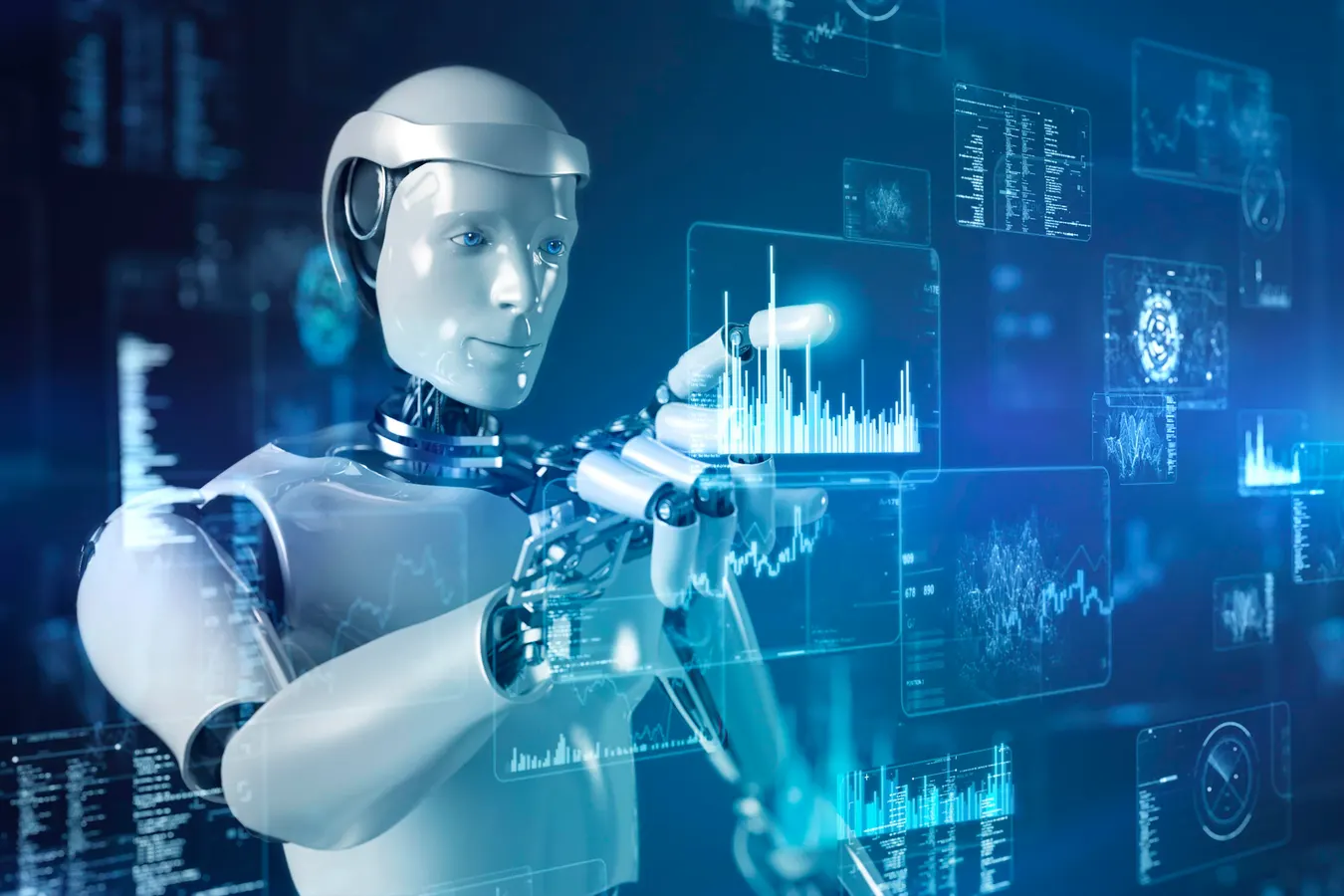
Robotics has undergone a remarkable evolution, progressing from basic mechanical devices to complex, autonomous systems that mimic human capabilities. Today, robots are not just confined to industrial applications; they are integrated into various sectors, from healthcare to retail. The current landscape is marked by rapid advancements in artificial intelligence, machine learning, and sensor technology, making robots more intelligent and capable than ever before. These machines are no longer mere tools; they are becoming sophisticated partners in industries and homes alike. The fusion of cutting-edge hardware and innovative software is pushing the boundaries of what robots can achieve, setting the stage for even more groundbreaking developments in the near future.

Artificial Intelligence (AI) is the brain that powers the modern robot, transforming them from simple, pre-programmed devices into smart, adaptive systems. AI integration allows robots to learn from their environments, make decisions, and even predict outcomes. This ability to process vast amounts of data in real-time enables robots to perform complex tasks with precision and efficiency. For instance, AI-driven robots in manufacturing can optimize production lines, reduce errors, and ensure consistent quality. In homes, AI-powered robots are providing personalized assistance, from cleaning to elder care. As AI continues to evolve, we can expect robots to become even more autonomous, learning from their experiences and interacting with their surroundings in increasingly human-like ways.
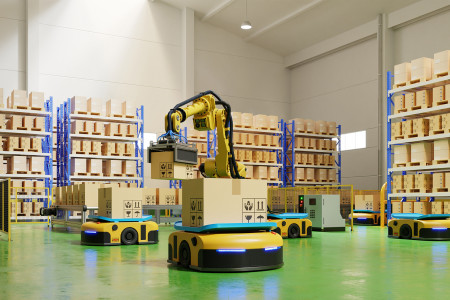
Autonomous robots represent one of the most exciting developments in robotics. These self-sufficient machines operate without human intervention, relying on advanced algorithms and sensors to navigate and perform tasks. The applications for autonomous robots are vast and varied. In agriculture, autonomous drones monitor crop health and optimize irrigation. In logistics, self-driving vehicles are revolutionizing delivery systems, promising faster and more efficient services. Even in disaster response, autonomous robots are proving invaluable, entering hazardous environments to perform search and rescue operations. The future of autonomous robots is boundless, with potential applications extending into space exploration, deep-sea mining, and beyond.
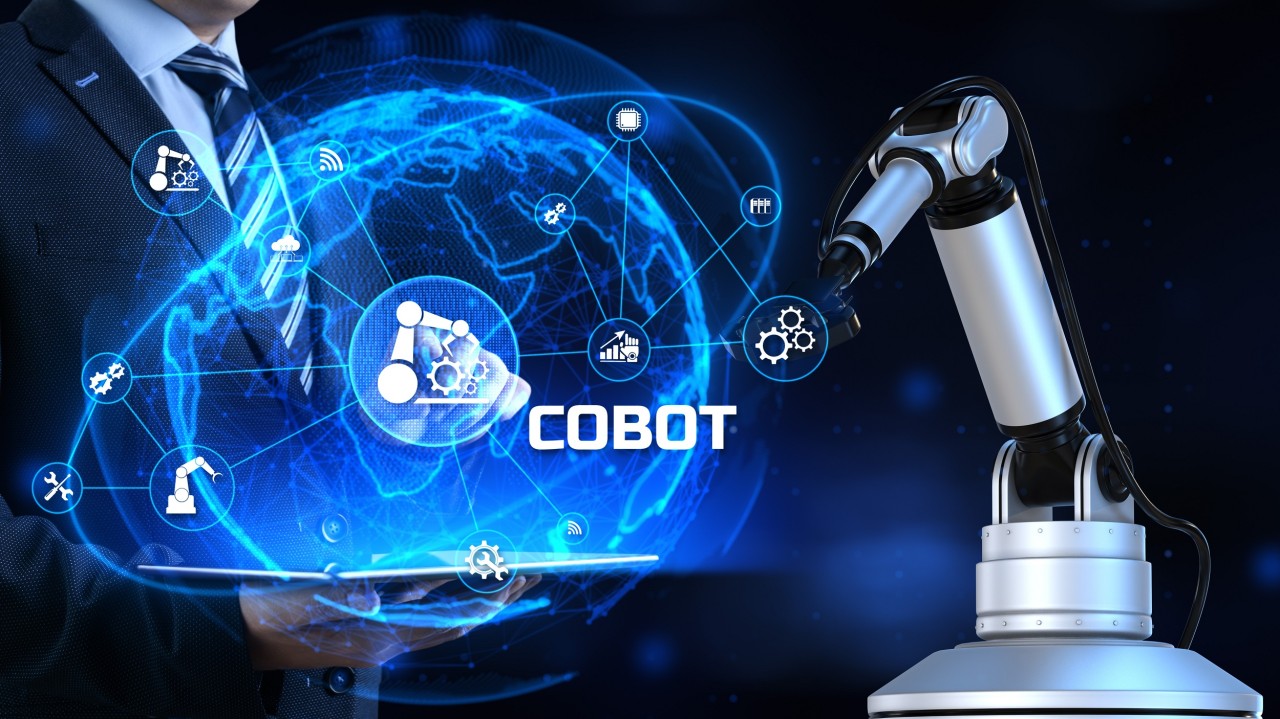
Collaborative robots, or cobots, are designed to work alongside humans, enhancing productivity and safety in the workplace. Unlike traditional industrial robots, which are typically isolated from human workers due to safety concerns, cobots are built with advanced sensors and safety features that allow them to interact safely with people. These robots are highly flexible and easy to program, making them ideal for small and medium-sized enterprises that require adaptable automation solutions. Cobots are increasingly being deployed in manufacturing, where they assist with tasks such as assembly, packaging, and quality inspection. As the technology matures, cobots are expected to become a common sight in various industries, from healthcare to hospitality, working hand-in-hand with humans to achieve greater efficiency.
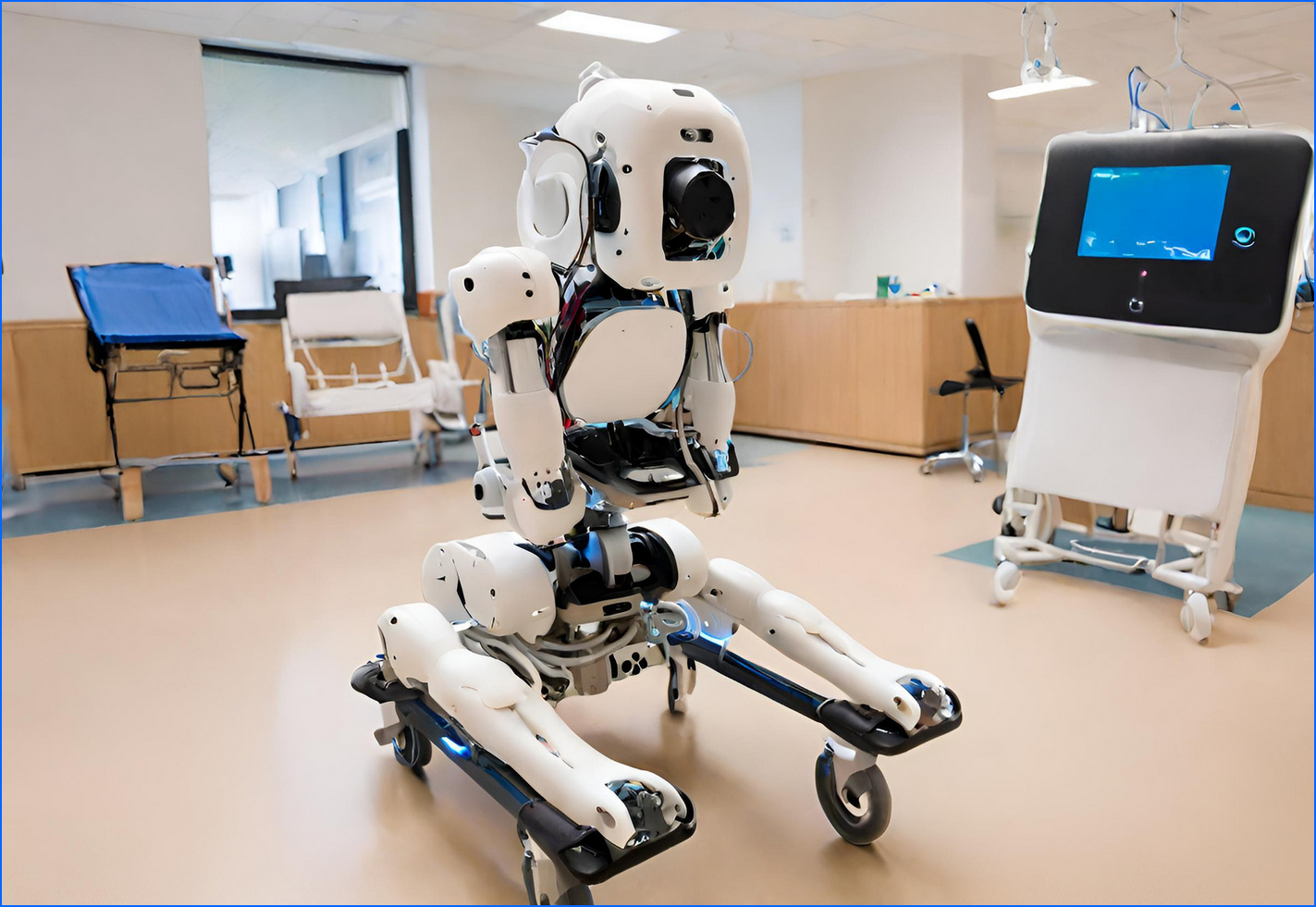
The healthcare sector is poised to benefit immensely from advances in robotics. Robotic-assisted surgery is already a reality, with robots like the da Vinci Surgical System enabling surgeons to perform complex procedures with unprecedented precision and minimal invasiveness. Beyond surgery, robots are being developed to assist in rehabilitation, providing personalized therapy to patients recovering from strokes or injuries. In elder care, robots are offering companionship and monitoring, helping seniors maintain independence while ensuring their safety. The integration of robotics in healthcare is not just about improving efficiency; it is about enhancing the quality of care and expanding access to medical services. As these technologies continue to evolve, they hold the promise of transforming healthcare into a more patient-centered, accessible, and effective domain.
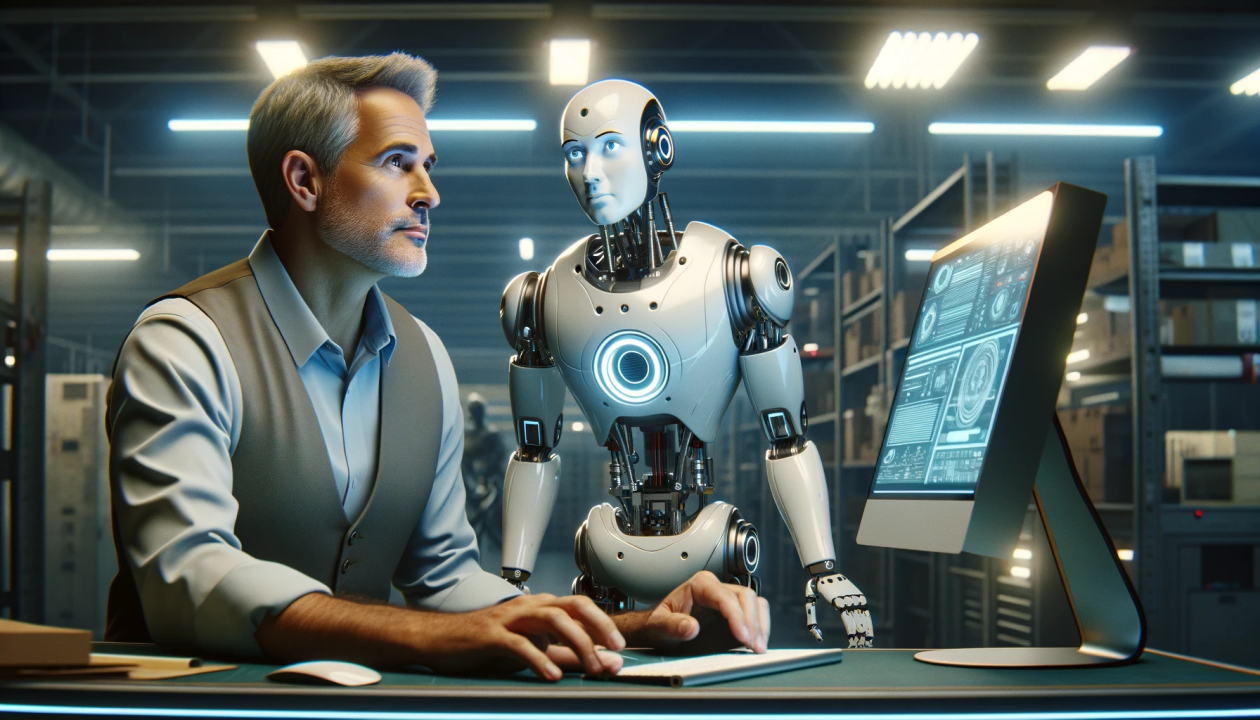
The future of robotics is brimming with possibilities, driven by ongoing research and technological advancements. One of the most anticipated trends is the development of soft robotics, which involves creating robots with flexible, deformable structures that can interact more naturally with humans and their environment. Another exciting area is swarm robotics, where large groups of simple robots work together to perform complex tasks, inspired by the behavior of social insects like ants or bees. Additionally, we can expect significant progress in humanoid robots, which aim to replicate human appearance and behavior more closely. These robots could serve as personal assistants, tutors, or even companions. Furthermore, advancements in energy efficiency and sustainable materials will enable the creation of more eco-friendly robots, reducing their environmental impact. As these trends unfold, the line between science fiction and reality will continue to blur, ushering in a new era of robotics that will reshape industries and societies alike.
 Alex Carter


Aliqu justo et labore at eirmod justo sea erat diam dolor diam vero kasd