


Every pet is a world unto itself, brimming with quirks, preferences, and behaviors that make them truly unique. Understanding these traits is the cornerstone of successful training. Some pets are naturally eager to please, while others may be more independent or even stubborn. Recognizing whether your dog is driven by praise, food, or play can dramatically influence the effectiveness of your training sessions. Cats, on the other hand, often require a more nuanced approach, where their independent streaks are respected while gently guiding them toward desired behaviors. This initial step is not just about identifying the obvious traits but delving deeper into the subtle nuances that define your pet’s character.

Consistency is the linchpin of any successful training regimen. It’s not merely about repetition; it’s about creating a predictable environment where your pet knows what is expected of them. This means using the same commands, tone of voice, and body language every time you train. For example, if you’re teaching your dog to sit, always use the word “sit” in the same context, without variations. Consistency extends beyond verbal cues to encompass timing and routine. Training sessions should ideally occur at the same time each day, allowing your pet to anticipate and prepare for them. Consistency also applies to the entire household; everyone involved in the pet's life must be on the same page to avoid confusing signals that can hinder progress.

Positive reinforcement is widely regarded as the most effective training method. This approach focuses on rewarding desired behaviors rather than punishing unwanted ones, fostering a positive learning environment. Rewards can take many forms, from treats and toys to verbal praise and affection. The timing of these rewards is crucial—immediate recognition of good behavior helps your pet associate the action with the reward, reinforcing the behavior. For instance, when training a dog to stay, rewarding them as soon as they hold the position for a few seconds creates a clear link between the action and the reward. Over time, the behaviors you desire become ingrained, turning training into a game rather than a chore.

Setting achievable, realistic goals is vital to maintaining momentum and motivation in pet training. Each pet learns at their own pace, and it’s essential to tailor your expectations to their abilities. Start with simple commands and gradually increase the difficulty as your pet gains confidence and understanding. For example, teaching a dog to “come” when called in a quiet environment is the first step, before progressing to more distracting settings like a park. Similarly, with cats, starting with basic litter training before moving on to more complex tricks ensures that each step builds on the last, preventing frustration for both you and your pet. Remember, progress might be slow, but each small victory brings you closer to your ultimate training goals.

Training a pet is as much about patience as it is about skill. It’s important to remember that learning is a gradual process, and setbacks are a natural part of that journey. There will be days when your pet seems to forget everything they’ve learned or appears uninterested in the training session. These moments require you to remain calm, understanding, and patient. Avoid showing frustration or anger, as this can create anxiety in your pet, setting back the training. Instead, take a step back, assess the situation, and adjust your approach if necessary. Often, a break or a different training method can reignite your pet’s enthusiasm and get the training back on track.
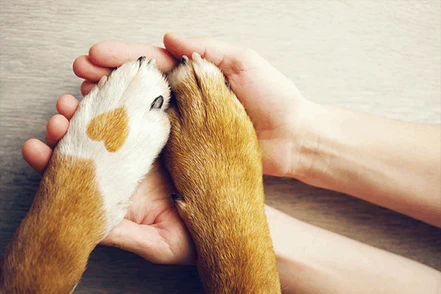
Once your pet has mastered a command or behavior, the work doesn’t stop there. Maintenance is crucial to ensure that the training sticks. Regular practice of the learned behaviors in various settings helps solidify the training and prevents regression. It’s also important to challenge your pet with new tasks to keep their mind engaged and avoid boredom. However, setbacks can and will occur, whether due to a change in environment, stress, or simply a lapse in training. When setbacks happen, it’s essential to stay positive and return to basics if necessary. Reinforce previously learned behaviors with rewards and patience, and your pet will soon be back on track. Ultimately, successful training is about building a lasting bond of trust and communication with your pet, making the journey as rewarding as the destination.
 John Crystal


Aliqu justo et labore at eirmod justo sea erat diam dolor diam vero kasd