


Humanity's journey into space began with a blend of curiosity and ambition, fueled by a desire to reach beyond the confines of Earth. The first steps were humble, yet monumental—the launch of Sputnik 1 in 1957 marked the beginning of the space age. This tiny satellite orbited the Earth, igniting a global fascination with the cosmos and setting the stage for the extraordinary achievements to come. The early years of space exploration were a testament to human ingenuity, with each mission pushing the boundaries of what was once thought impossible. From the first human orbit by Yuri Gagarin to the iconic Apollo moon landings, these pioneering missions opened up a new frontier, offering glimpses into the vast, uncharted territory that lay beyond our planet.
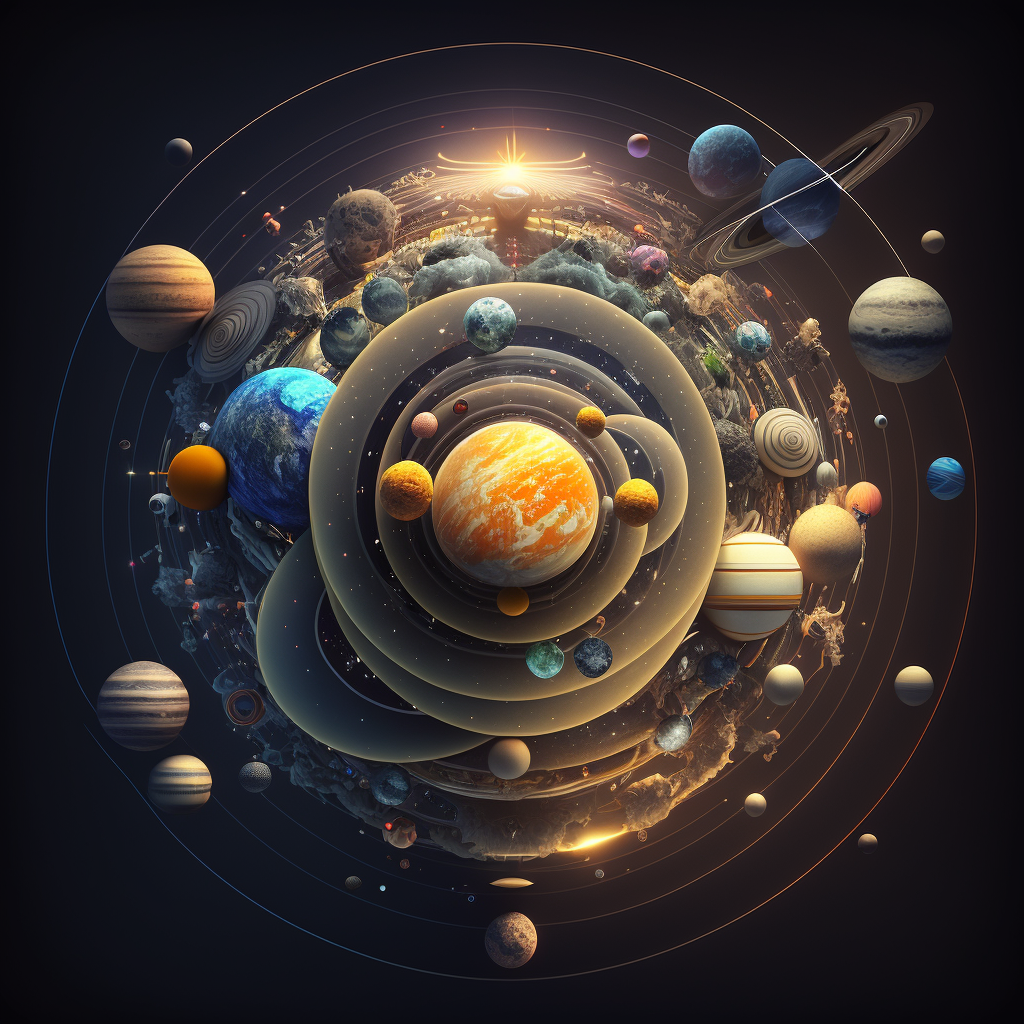
As our reach extended further into space, the mysteries of our solar system began to unfold. The exploration of the planets, moons, and other celestial bodies within our solar neighborhood has been nothing short of awe-inspiring. Robotic missions like the Voyager probes provided the first close-up images of distant planets like Jupiter and Saturn, revealing complex weather systems, intricate ring structures, and moons that harbor their own secrets. Mars, with its enigmatic surface and signs of past water, has captured our imaginations as a potential home for future human colonies. The icy worlds of the outer solar system, such as Europa and Enceladus, tantalize scientists with the possibility of hidden oceans beneath their frozen crusts, raising questions about the potential for life beyond Earth. Each mission brings us closer to understanding the origins and evolution of our solar system.
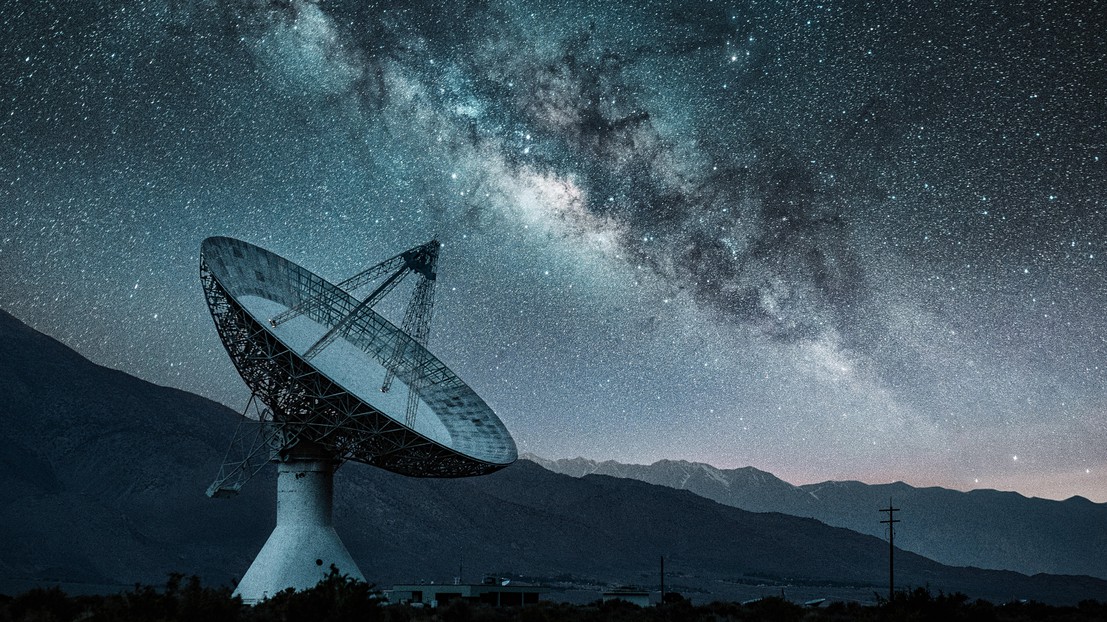
One of the most profound questions driving space exploration is whether we are alone in the universe. The search for extraterrestrial life has taken on many forms, from the study of extreme environments on Earth, where life thrives in the most unlikely places, to the examination of distant exoplanets that orbit stars beyond our solar system. The discovery of thousands of exoplanets, some of which reside in the so-called "habitable zone" where conditions may be right for liquid water, has intensified the quest to find life beyond Earth. Missions like the Kepler Space Telescope have expanded our understanding of the diversity and complexity of planetary systems, suggesting that life could potentially exist in a multitude of forms, perhaps even in ways that defy our current understanding of biology. The search for life is not just about finding aliens—it’s about finding our place in the cosmos.
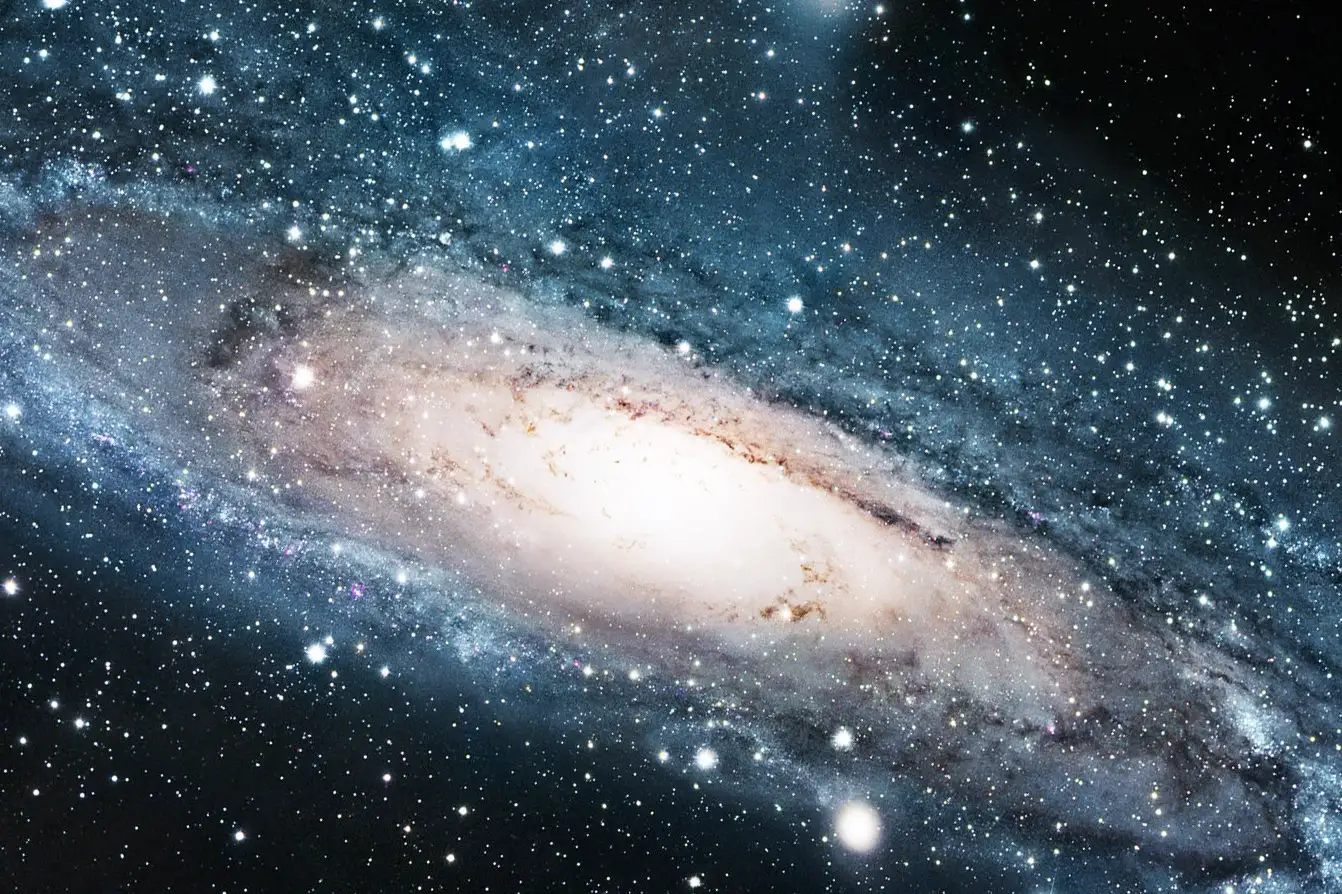
The mysteries of the cosmos extend far beyond the boundaries of our Milky Way galaxy. The exploration of distant galaxies, black holes, and cosmic phenomena like dark matter and dark energy has challenged our understanding of the universe. Telescopes like the Hubble Space Telescope have provided breathtaking images and invaluable data, allowing us to peer into the depths of space and time. These observations have revealed the existence of galaxies billions of light-years away, some of which formed shortly after the Big Bang. The study of these distant objects helps scientists piece together the history of the universe, from its fiery beginnings to its current state of expansion. The discovery of gravitational waves, ripples in the fabric of spacetime caused by the collision of massive objects, has opened up a new window into the universe, offering insights into the most violent and energetic processes in existence.
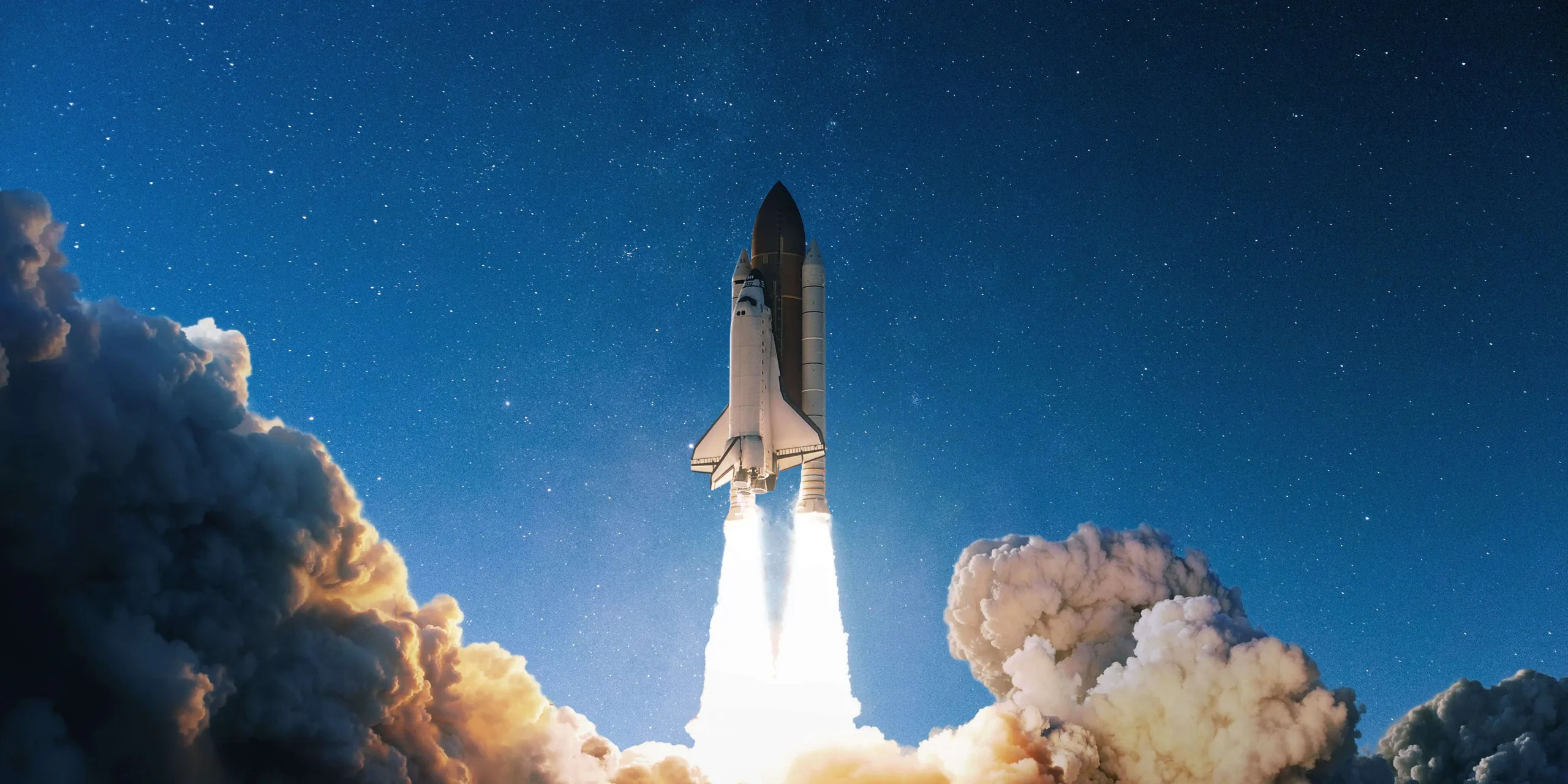
The advancement of technology has been the driving force behind every major breakthrough in space exploration. From the development of powerful rockets that can escape Earth's gravity to the creation of sophisticated instruments capable of detecting the faintest signals from the cosmos, technology has enabled us to explore the universe in ways that were once the stuff of science fiction. Robotic explorers, such as the Mars rovers, have become our eyes and hands on distant worlds, conducting experiments and sending back data that informs our understanding of other planets. The International Space Station serves as a hub for scientific research in microgravity, providing insights that could pave the way for future deep space missions. As we look to the future, the role of artificial intelligence, quantum computing, and next-generation propulsion systems will be crucial in overcoming the challenges of space exploration, from long-duration missions to interstellar travel.
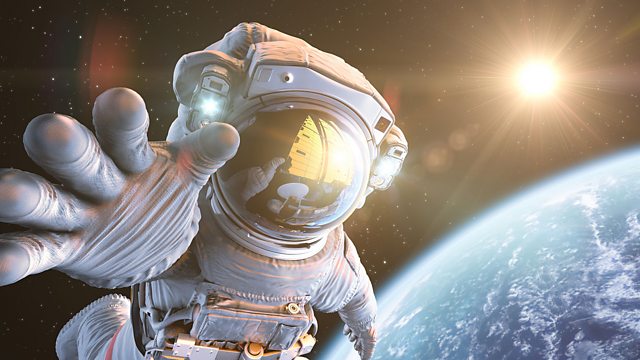
The future of space exploration promises to be as exciting as its past, with new missions and technologies on the horizon that will take us further than ever before. Plans are already underway to return humans to the Moon and establish a sustainable presence there, with the Artemis program aiming to land the first woman and next man on the lunar surface. Mars remains the ultimate goal for human exploration, with NASA, SpaceX, and other organizations developing the technologies needed to make a manned mission to the Red Planet a reality. Beyond Mars, the dream of exploring the outer planets and their moons, venturing into the depths of our galaxy, and even sending probes to other star systems, continues to inspire scientists and engineers. The future of space exploration will likely be a collaborative effort, involving international partnerships, private companies, and perhaps even new players from emerging spacefaring nations. As we push the boundaries of what is possible, we are not just exploring space we are expanding the horizons of humanity itself.
 John Crystal


Aliqu justo et labore at eirmod justo sea erat diam dolor diam vero kasd